
Chapter 01 · Panels & Service Entrance
When Your Breaker Keeps Tripping, Find Out Why
Licensed diagnosis and repair from a CO-credentialed electrician with 468 five-star Google reviews.
Free estimate
Tell us what you need
A short form. It reaches a person here, not a call centre.
Why Your Breaker Keeps Tripping
A breaker that keeps tripping is telling you something. It's not random, and flipping it back isn't a fix. The cause could be a circuit that's simply overloaded, a breaker that's worn out and no longer holds its rated amperage, loose wiring at the panel, or a short somewhere in the circuit. Most homeowners can't tell which of those it is without a meter and real panel experience. We can. All Electric has been diagnosing and repairing breaker problems for 9 years under CO License #ME.0600978, and every repair comes with a 1-year labor warranty. Call (720) 951-4619 to schedule a same-visit diagnosis.
What we do depends on what we find. A single overloaded circuit might need a dedicated appliance circuit added so the load has somewhere to go. A breaker that's physically failed needs replacement with a correctly rated unit, installed to code and logged for permit compliance. If the problem runs deeper, into a panel that's undersized, outdated, or showing signs of heat damage, we'll tell you straight and lay out the options before any work begins. Financing is available on larger panel jobs. Cost varies based on the number of breakers, panel condition, access, and whether permits are required by your jurisdiction. Every job is different. Contact All Electric for an accurate estimate.
Diagnosis
Common Causes of Breaker Problems
Overloaded Circuit
Too many devices drawing from one circuit pushes it past its rated amperage. The breaker does its job and trips. The fix isn't a stronger breaker. It's redistributing the load or adding a dedicated circuit.
Faulty or Worn Breaker
Breakers are mechanical devices. They wear out. A breaker that trips at 70% of its rated load, or one that won't reset at all, has failed internally and needs replacement. Reviewer Michelle Baker described Daniel diagnosing two faulty breakers fast on a single visit.
Short Circuit in the Wiring
A hot wire contacting a neutral or ground creates a dead short, which trips the breaker instantly. This one needs hands-on tracing. Shorts don't resolve themselves and they're a fire hazard. Our electrical repair team locates the fault before touching anything else.
Ground Fault
Similar to a short but involving a path to ground outside normal wiring. GFCI breakers handle this in bathrooms and kitchens. A standard breaker tripping on a ground fault in another part of the house needs diagnosis, not a reset.
Panel-Level Problems
Loose bus connections, heat-damaged terminals, or a panel that's simply too small for your current load can cause chronic breaker issues. These aren't breaker problems. They're panel problems, and they need to be called what they are.
Our Process
How We Diagnose and Repair Your Breaker
-
Step 1: Test Before We Touch
We use a digital multimeter to check voltage, continuity, and load on the affected circuit before we open anything. The circuit breaker finder tool lets us map the circuit without guessing.
-
Step 2: Identify the Real Cause
Overload, short, ground fault, or a failed breaker. We tell you which one it is and explain it in plain language before quoting the repair. No jargon, no upsell pressure.
-
Step 3: Repair to Code, Permitted Where Required
Breaker replacement, circuit addition, or panel work gets done to NEC standards under CO License #ME.0600978. Where permits are required, we pull them. We don't skip that step.
When Repair Isn't Enough: Breaker Box Upgrades
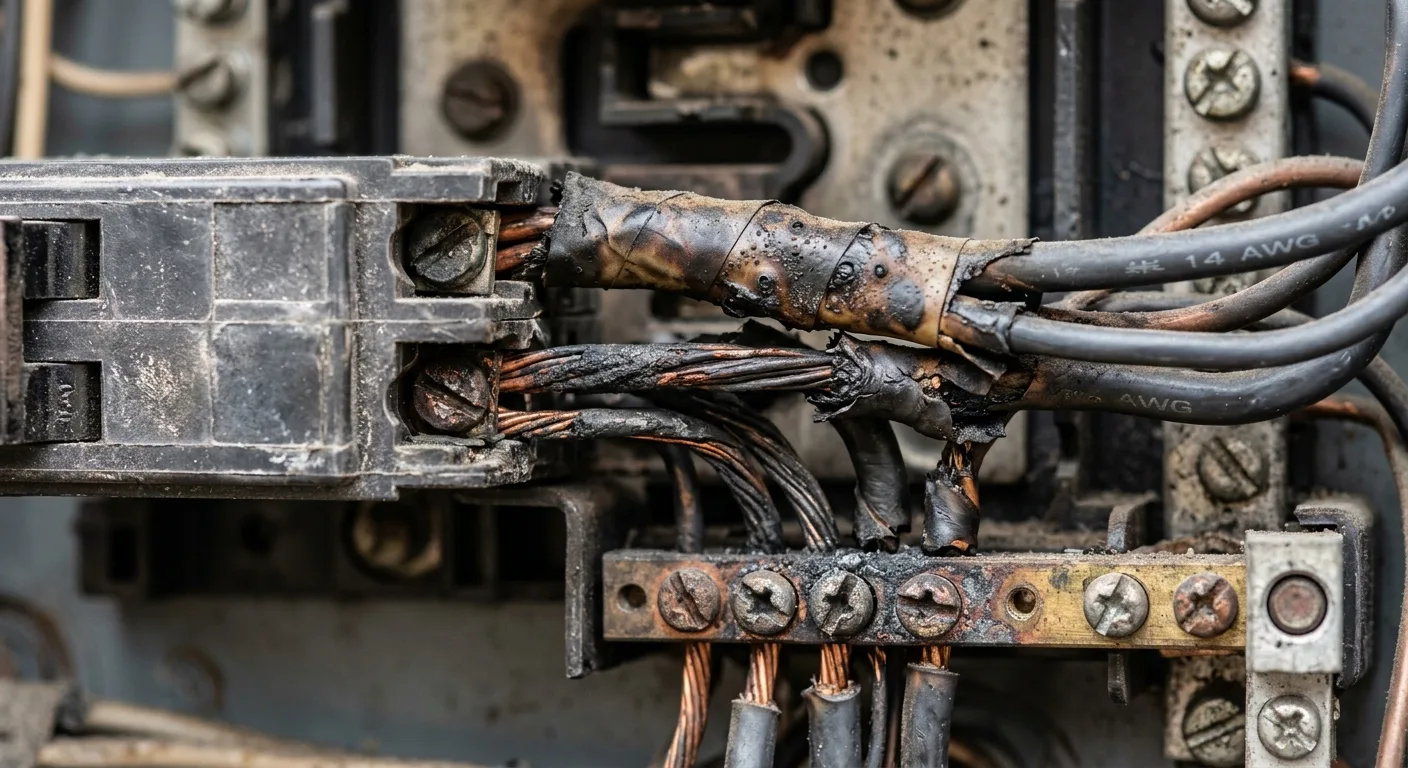
Some breaker issues are symptoms of a panel that's past its service life.
Our Standard
What an Honest Breaker Service Visit Looks Like
468 Google reviews averaging 4.9 stars. Here's what drives those numbers.
-
We diagnose before we quote
No ballpark without knowing the actual cause.
-
We explain the finding in plain language
You'll know what's wrong and why before we touch anything.
-
CO License #ME.0600978 and fully insured
Every repair is covered and verifiable.
Verify with the state -
1-year warranty on labor
If the repair fails within a year, we come back.
Breaker Problems We Won't Just Reset and Leave
Some things a flip of the switch won't fix. These are the calls we take seriously.
-
Step 1: Burning Smell at the Panel
A breaker that smells like it's burning has a heat problem. That's not a tripped breaker. That's a potential fire. We treat it as an emergency diagnosis, not a routine reset.
-
Step 2: Breaker Won't Reset at All
If the breaker moves to reset and immediately trips again, there's an active fault on the circuit. We find it. Repeatedly resetting a breaker in this condition can damage wiring and appliances.
-
Step 3: Multiple Breakers Tripping Together
Two or more breakers dropping at once usually points to a panel issue, not individual circuit overloads. We check the main breaker, bus connections, and incoming service before concluding it's a coincidence.
Frequently Asked Questions
Not answered here? Call (720) 951-4619 and ask the electrician.