
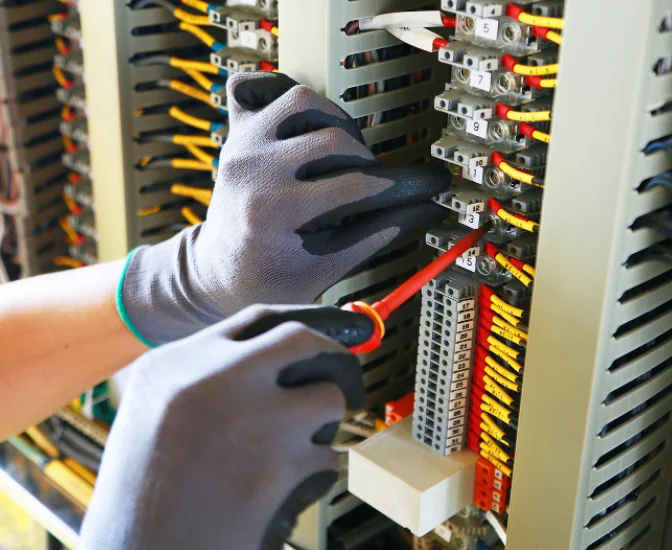
Chapter 03 · Circuits & Dedicated Lines
Dedicated Circuit Installation for High-Draw Appliances
Every major appliance gets its own circuit, wired to code, permitted, and backed by a 1-year labor warranty.
Free estimate
Tell us what you need
A short form. It reaches a person here, not a call centre.
Dedicated electrical circuit installation done to code
Major appliances don't share well. A refrigerator, electric range, dryer, or EV charger running on a shared circuit will eventually trip breakers, overheat wiring, or damage the appliance itself. Dedicated circuit installation gives each high-draw load its own breaker and its own run of wire back to the panel, the way the National Electrical Code requires it and the way every appliance manufacturer specifies it. All Electric handles that work from load analysis through final inspection, and every installation carries a 1-year labor warranty. If you're seeing tripped breakers or planning a new appliance, call (720) 951-4619, Daniel's team will tell you exactly what the job involves before any work begins.
The scope of a dedicated circuit installation depends on three things: what the appliance draws (measured in amps), how far the panel is from the installation point, and whether the existing circuit breaker panel has capacity for a new breaker. A 20-amp circuit for a microwave or dishwasher is a straightforward pull. A 50-amp circuit for an electric range or a 240V EV charger involves heavier wire gauge, a double-pole breaker, and in many cases a permit from the local authority having jurisdiction. Older homes that haven't had aluminum wiring repair or panel work done in decades sometimes lack the spare capacity to add circuits without an upgrade. All Electric completes the load analysis first, explains the options clearly, and doesn't start work without a plan you've approved. Cost depends on wire run length, amperage, accessibility, and whether a permit is required. Every job is different, so contact All Electric for an accurate estimate.
Which appliances actually need a dedicated circuit
The NEC is specific about this. These aren't suggestions.
Electric Ranges and Ovens
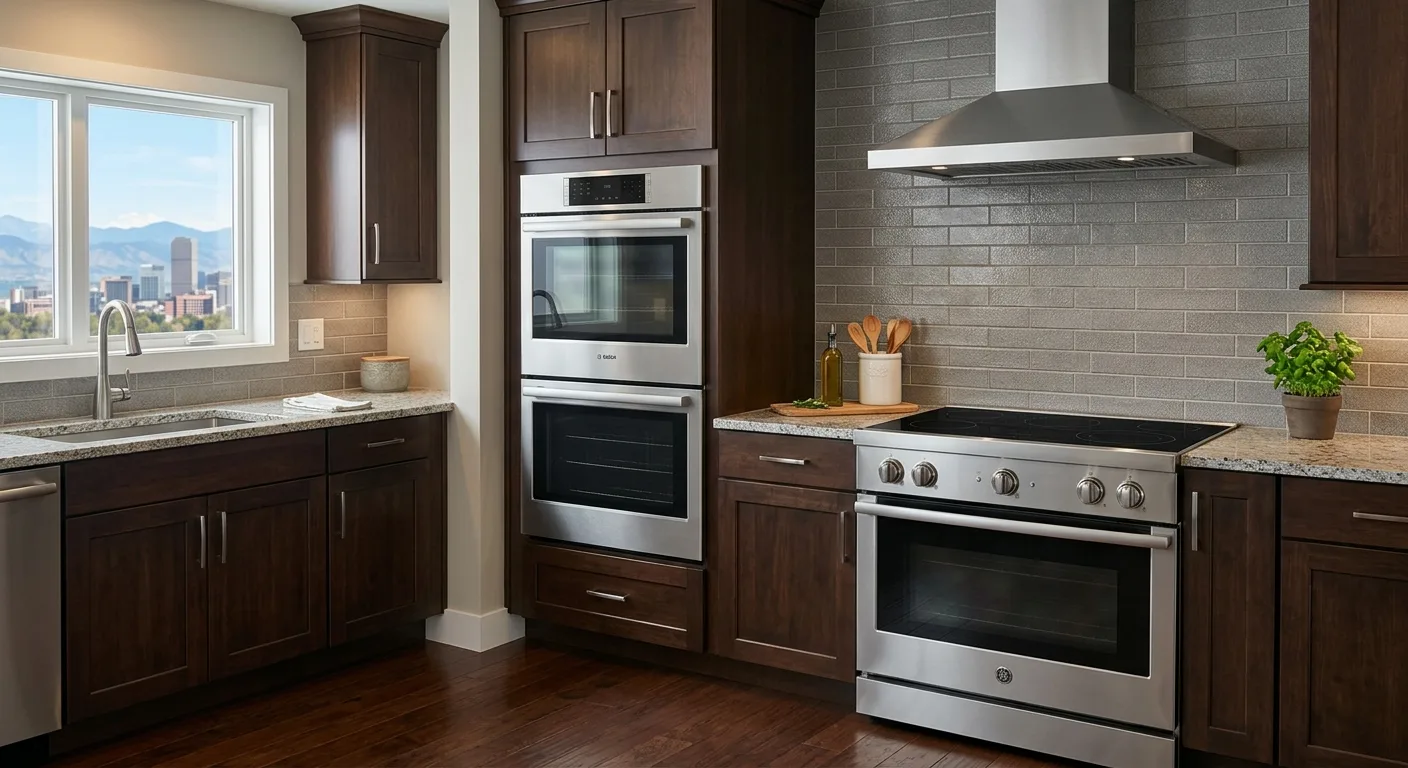
A full electric range typically requires a 50-amp, 240V dedicated circuit. Running one on a shared circuit isn't just a code violation. It's a fire risk. We size the wire and breaker to the appliance's nameplate, not to a generic standard.
Clothes Dryers
Electric dryers need a dedicated 30-amp, 240V circuit. Gas dryers still need a dedicated 120V circuit for the controls and igniter. Neither can share a circuit with another load without risking nuisance trips and wiring damage.
EV Chargers (Level 2)
A Level 2 home charger draws 32 to 48 amps continuously. That's not a circuit you add to an existing run. We install the dedicated 240V circuit, pull the permit, and schedule the inspection, so your charger works from day one without voiding the manufacturer's warranty.
Refrigerators and Freezers
The NEC requires a dedicated 20-amp circuit for refrigerators in new construction and major remodels. Chest freezers and wine coolers fall under the same requirement. Sharing this circuit with a microwave or coffee maker is the most common reason a GFI breaker trips for no obvious reason.
Dishwashers and Garbage Disposals
Both require dedicated 20-amp circuits under current code. Kitchens built before 1980 almost never have them wired correctly. We run the circuits properly during kitchen remodels or as standalone service calls.
Hot Tubs, Spas, and Saunas
Hot tubs require a 240V, 50-amp dedicated circuit with a GFCI breaker and a disconnect box within sight of the tub. This is one of the most code-specific installations in residential electrical. It's not a job for anyone without a current license.
How It Works
From panel assessment to final inspection
-
Step 1: Load Analysis
We open the panel, calculate existing load, and confirm there's capacity for the new circuit. If the panel is at capacity, we explain the options, adding a sub-panel or upgrading the service, before any work is scheduled.
-
Step 2: Circuit Installation
We route the correct wire gauge from the panel to the appliance location, install the appropriately rated outlet or connection point, and tie in the new breaker. All work meets NEC standards and local code amendments.
-
Step 3: Permit and Inspection
When the job requires a permit, and many do, we pull it, schedule the inspection, and make sure the work passes. You get documentation that the circuit was installed to code, which matters for insurance and resale.
What Sets the Price
Cost factors for dedicated circuit work
Why a licensed electrician, not a handyman
-
Step 1: Code Compliance Is Not Optional
The NEC and local code amendments specify wire gauge, breaker rating, outlet type, and box fill for every circuit type. A licensed electrician, CO License #ME.0600978, knows the current requirements and installs to them. An unlicensed install can fail inspection, void your homeowner's insurance, and create a fire hazard that shows up years later.
-
Step 2: Permits Protect You at Resale
Colorado requires permits for dedicated circuit installations in most jurisdictions. A permit creates a public record that the work was inspected and approved. Buyers' inspectors find unpermitted electrical work, and when they do, it becomes a negotiating point, or a deal-breaker. We pull permits as part of the job, not as an afterthought.
-
Step 3: The Work Gets Warranted
All Electric backs every circuit installation with a 1-year labor warranty. If something we installed fails or doesn't perform as it should, we come back and fix it. That warranty exists because we do the work ourselves. We don't subcontract. The same person who pulls the permit is the person doing the installation.
Why homeowners trust us
What All Electric covers on this service
CO License #ME.0600978. Fully insured. 4.9 stars across 468 Google reviews.
-
Load analysis before any work is quoted
We don't estimate from square footage, we look at your actual panel.
-
Permit pulled and inspection scheduled
Required jobs get documented. We don't skip this step.
-
1-year labor warranty on every installation
Not a limited warranty. If our work fails, we come back.
-
No subcontracting
The technician on-site is an All Electric employee, not a third party.
Dedicated circuit questions, answered directly
Not answered here? Call (720) 951-4619 and ask the electrician.
How much does it cost to install a dedicated circuit?
What appliances require a dedicated circuit under the NEC?
How is a dedicated circuit installed: what does the process actually involve?
Can my existing panel handle additional dedicated circuits?
Do dedicated circuit installations require a permit in Colorado?
What wire gauge does a dryer or electric range circuit require?
How is a dedicated circuit installed?
Ready to add a dedicated circuit?
Licensed. Insured. 468 reviews at 4.9 stars.